
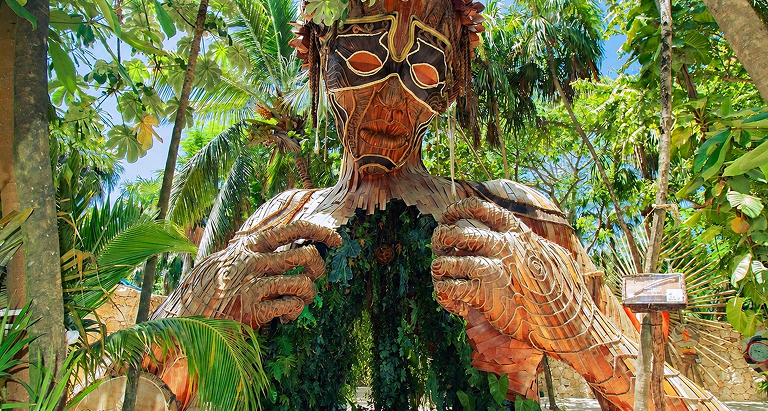
Tulum is known for its turquoise waters, white-sand beaches, and relaxed atmosphere, but there is much more to discover beyond its coastline. The region is deeply connected to Maya history, traditional craftsmanship, local cuisine, and cultural practices that continue to shape life in the Yucatán Peninsula.
From exploring ancient archaeological sites to discovering handmade crafts and tasting regional dishes, experiencing Tulum’s cultural side offers a deeper appreciation of the destination. If you are planning a visit, learning what makes Tulum so special can help you discover more than its beaches.
Discover the History and Heritage of the Maya
The Maya civilization has a long and rich history across southeastern Mexico and Central America. Its achievements include remarkable architecture, sophisticated calendars, mathematical knowledge, and writing systems. Today, Maya communities continue to preserve their languages, traditions, knowledge, and cultural identity.
One of the best-known historical attractions in the region is the Tulum archaeological site. Perched above the Caribbean Sea, this ancient walled settlement offers a glimpse into the area’s past, with stone structures overlooking the coastline.
For travelers interested in exploring further, the archaeological sites of Cobá and Muyil offer additional opportunities to learn about the region’s history and its connections with the surrounding landscape.
Visiting these places is not just about seeing ancient ruins. It is also an opportunity to appreciate the history of the people who built them and the living communities that continue to carry Maya traditions forward.
Traditional Crafts and Local Art in Tulum
Craftsmanship is an important part of the cultural experience in the Yucatán Peninsula. Local markets, artisan shops, and independent galleries offer opportunities to discover handmade objects that reflect regional materials, techniques, and artistic traditions.
You may come across woven textiles, embroidered garments, pottery, wood carvings, decorative pieces, and jewelry. Some designs reflect traditional Maya influences, while others combine contemporary styles with regional inspiration.
When shopping for souvenirs, take time to learn about the makers and the origins of their work. Purchasing directly from local artisans, where possible, can help support their livelihoods and preserve traditional skills.
If you enjoy exploring local shops and finding distinctive keepsakes, our guide to Shopping in Tulum can help you discover another side of the destination beyond its beaches.
Experience Maya Culture Through Food and Traditions
Food offers another meaningful way to understand the culture of the Yucatán Peninsula. Regional cuisine draws on ingredients and cooking traditions that have developed over generations, combining Indigenous influences with other culinary influences that have shaped the region.
Corn, beans, squash, chilies, and local herbs feature in many traditional dishes. Well-known regional specialties include cochinita pibil, sopa de lima, and papadzules, each offering a different taste of Yucatán’s culinary heritage.
Food is also closely connected to family gatherings, celebrations, and community traditions. Exploring local restaurants and regional dishes allows visitors to experience these connections through flavor, preparation, and hospitality.
Trying regional specialties and learning about the traditions behind them is a wonderful way to appreciate the culinary heritage of the Yucatán Peninsula.
Cultural Attractions and Things to See in Tulum
Beyond the beach, Tulum and the surrounding region offer several opportunities to explore history, architecture, and local traditions. If you are planning your itinerary, our guide to things to see in Tulum can help you discover more places to visit.
Tulum Archaeological Site
Located beside the Caribbean Sea, this historic site is known for its coastal setting and preserved structures. It is a natural starting point for travelers interested in the area’s Maya heritage.
Cobá Archaeological Site
Set within a forested landscape, Cobá is known for its ancient settlement and network of stone causeways. It offers a different perspective on the history of the Maya world.
Muyil Archaeological Site
Located south of Tulum, Muyil provides an opportunity to explore an ancient Maya settlement associated with the wider network of trade and waterways in the region.
Local Markets and Artisan Shops
Exploring local markets and independent shops can introduce visitors to regional food, handmade goods, textiles, and artwork. Take time to speak with vendors, ask about the products, and learn more about their origins.
For more ideas beyond cultural sightseeing, explore our guide to activities to do in Tulum. Before visiting archaeological sites, check current opening hours, access rules, and visitor restrictions. Respect posted guidelines and avoid touching or climbing on protected structures.
How to Experience Tulum’s Culture Respectfully
A meaningful cultural experience begins with curiosity and respect. As you explore the region, consider a few simple ways to make your visit more thoughtful.
- Support local artisans and businesses when purchasing crafts, food, and souvenirs.
- Learn about the history and significance of archaeological sites before visiting.
- Follow site rules and respect protected monuments and natural areas.
- Ask permission before photographing people, particularly during cultural activities or ceremonies.
- Choose knowledgeable local guides who can provide context and insight into the region’s history and traditions.
- Remember that Maya culture is a living heritage, not simply a part of the past.
These small choices can help you connect more meaningfully with the destination while respecting the communities and places that make Tulum distinctive.
If you are preparing for your trip, our guide to Is Tulum, Mexico, safe for tourists? offers additional information to help you plan your visit.
Discover the Cultural Side of Tulum During Your Stay
Exploring Tulum’s culture adds another dimension to a beach getaway. After a day discovering archaeological sites, browsing artisan shops, or sampling regional cuisine, you can return to a peaceful setting by the Caribbean Sea.
Choosing the right accommodation can also shape your experience. Our guide on where to stay in Tulum can help you consider the options available for your trip.
At Bella Vita Tulum, guests can enjoy the privacy of a luxury beachfront villa, direct beach access, a private pool, and dedicated staff. The villa offers a comfortable setting for families and groups to spend time together while discovering the wider Tulum region.
You can also explore our curated experiences to complement your stay and make time for the activities that interest you most.
Tulum’s appeal lies in the combination of its natural beauty, rich history, creative traditions, and local culture. By looking beyond the coastline, you can discover a deeper connection to the destination and create memories that last long after your visit.
Discover Tulum beyond the beaches, and experience the stories, traditions, and heritage that give this destination its soul.